


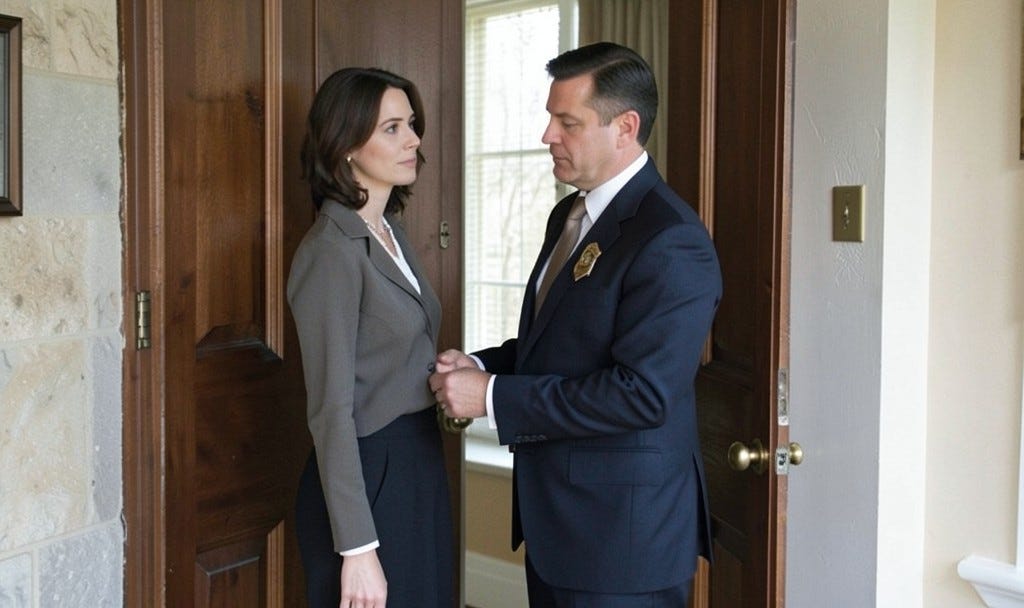
A woman in Honolulu ran whale-watching tours on the weekends. One trip, her boat crossed a pod of orcas feeding on a seal. A tourist whistled at the whale. She didn’t. Days later the FBI was at her door.
They took her phone. They took her computer. They took the DVDs she sold to tourists after every trip. They seized the boat. Then they charged her with a federal felony under the Endangered Species Act, for interfering with the feeding of a wild animal.
She fought it for six years. She pled to a reduced charge because the fight bankrupted her before the case did. She lost the boat, the job, the pension, the friend she ran the business with, every dollar she’d saved. John Kiriakou, who spent 23 months in federal prison after blowing the whistle on the CIA’s torture program, tells this story on the latest Legal Owl and asks the only question that matters: is the country better off because she was prosecuted?
He has a second one, closer to home. A friend of his, a PhD, a law-abiding man in his sixties, had a neighbor get burglarized. Police went door to door asking questions. He let them in. He wanted to help. On the way out, an officer noticed a weekly pill organizer on the counter, the kind with a slot for each day. Inside were his wife’s Percocets, prescribed to her, moved out of the original bottle. That’s a felony. Not because of what the pills were. Because of what container they were in. She was arrested in her own kitchen for helping her husband help the police.
John Kiriakou’s read on why this keeps happening isn’t cynicism dressed up as insight. It’s a straight description of incentives. “The cops don’t get promoted by not arresting you,” he says. “The prosecutors don’t get promoted by not prosecuting you.” Nobody in that chain is rewarded for deciding a case doesn’t matter. Every incentive in the system points toward action, and action means a charge.
That’s worth sitting with longer than the story itself. A whistle at a whale and a pill organizer aren’t edge cases produced by bad luck. They’re what a system produces when the people running it are measured by output, not by judgment. The harm never enters the calculation. The arrest does.
John Kiriakou’s own advice, earned the hard way, is blunt: don’t invite police into your house, and don’t talk to them, period. Not because you have something to hide. Because helping isn’t a category the system rewards.
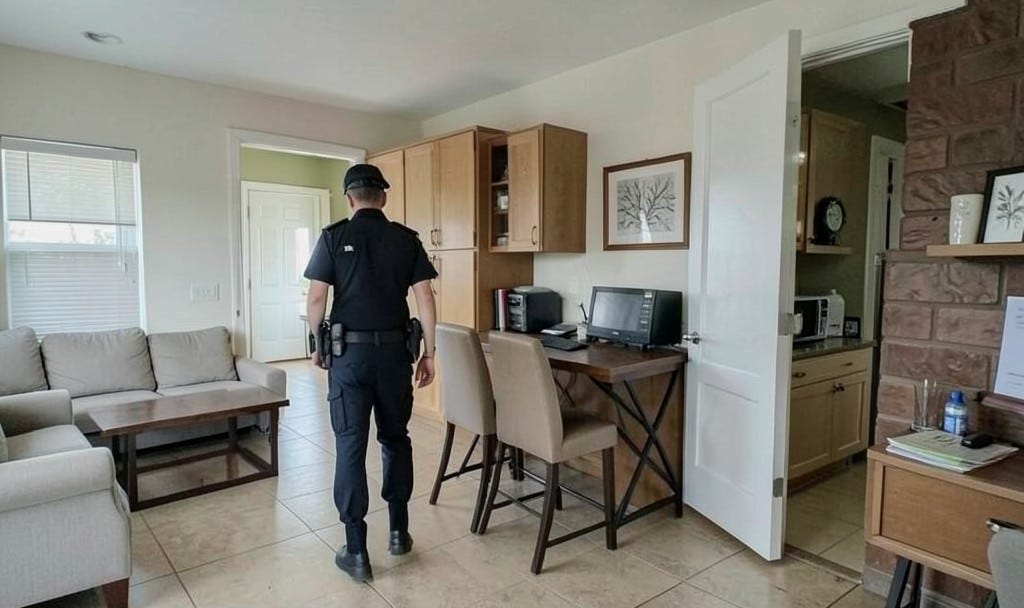
For a lawyer, that’s not a talking point. It’s a lens.
- The client who thinks cooperating early shows good faith is operating on a theory of the system that doesn’t match how the system is actually incentivized.
- A charge existing doesn’t mean harm existed. It means someone with a quota found a statute that fit.
- The advice worth giving before a client ever speaks to an investigator is the same advice Kiriakou gives for free: say nothing, get counsel first, assume good intentions won’t be read as good intentions.
The full conversation goes further, into what Kiriakou saw inside federal prison and what the Bureau of Prisons asked him to help fix. That’s worth the hour.
[Listen to the full episode with John Kiriakou — The Legal Owl]